The 12 Regenerative Marketing Principles

Photo by Pixabay
Step 1: Observe & Interact
Stop guessing. Start looking.
The Philosophy: In permaculture, we spend a full year observing a site before we ever dig a hole. We watch the sun, the wind, and the water flow.
The Marketing Shift: Most brands do the opposite. They launch a TikTok because everyone else is, without seeing if their audience is even there.
The Steward’s Move: Spend this week auditing your "digital climate." Where do your customers naturally congregate? Where is the "heat" (high engagement) and where is the "frost" (dead zones)? Design for the land you have, not the land you wish you had.
STEP 2: CATCH & STORE ENERGY
IS YOUR MARKETING "LEAKING" POTENTIAL?
The Philosophy: Nature uses swales and ponds to catch rain when it falls so the system survives the drought.
The Marketing Shift: A viral post is a "rainstorm." If you don’t have a lead magnet or a CRM flow ready, that energy just washes away as "runoff." You get the views, but you don't keep the relationship.
The Steward’s Move: Build your "digital swales" first. Before your next big campaign, ensure your email capture and automation are ready to store the energy you're about to generate.

Photo by Rafael Atantya
STEP 3: OBTAIN A YIELD
MARKETING ISN’T A HOBBY; IT’S AN INVESTMENT IN YOUR BRAND ECOSYSTEM’S SURVIVAL.
The Philosophy: In permaculture, we say you can’t work on an empty stomach. A system that doesn’t provide a yield for its caretaker is unsustainable.
The Marketing Shift: Too many "brand awareness" campaigns are just expensive ways to feel busy. If your marketing isn't producing a measurable yield—whether that’s leads, sales, or actionable data—it’s a drain on your resources.
The Steward’s Move: Every tactic must have a harvest. Before you launch, ask: "What is the specific yield of this effort, and how will it feed the next phase of our growth?"
STEP 4: SELF-REGULATE & ACCEPT FEEDBACK
YOUR ANALYTICS AREN’T "NUMBERS"—THEY’RE THE LEAVES OF YOUR BRAND TELLING YOU IF THE SOIL IS HEALTHY.
The Philosophy: If a plant is wilting, a gardener doesn't yell at it; they listen to it. They check the water, the sun, and the nutrients.
The Marketing Shift: We often ignore the "uncomfortable" data because it doesn't fit our 12-month plan. But reactive, knee-jerk decisions are just as bad. True self-regulation means observing the feedback loop and making precise adjustments.
The Steward’s Move: Create a monthly "Ecosystem Health Check." If a channel is underperforming, don't force it. Ask what the system is telling you about the market climate, and be brave enough to pivot.

Photo by Taryn Elliott
STEP 5: VALUE RENEWABLES
STOP PAYING FOR "ARTIFICIAL FERTILIZER" WHEN YOU HAVE A GOLDMINE OF COMPOST.
The Philosophy: Nature relies on the sun, wind, and the breakdown of old materials. It doesn't need to "buy" energy from the outside to thrive.
The Marketing Shift: Paid ads are the artificial fertilizer of the digital world. They work, but they’re expensive and don't build long-term soil health. Your renewable resources are your existing community, user-generated content, and internal expertise.
The Steward’s Move: Look at your "internal compost." How can you empower your current fans to tell your story? How can you turn your staff's deep knowledge into a resource that grows the brand organically?
STEP 6: PRODUCE NO WASTE
WHY "ONE-OFF" CONTENT IS KILLING YOUR BUDGET.
The Philosophy: In a forest, there is no such thing as trash. The fallen leaf becomes the nutrient for the next sprout.
The Marketing Shift: Most companies treat content like a disposable product—post once and forget. That is Industrial Marketing.
The Steward’s Move: Practice "Content Mulching."
A webinar becomes 3 blog posts.
A blog post becomes 5 social graphics.
A graphic becomes a conversation starter in your newsletter. Stop creating more; start using more.

Photo by Robin Erino
STEP 7: DESIGN FROM PATTERNS TO DETAILS
DON'T PICK THE CURTAINS BEFORE YOU’VE STUDIED THE TOPOGRAPHY OF THE LAND.
The Philosophy: A permaculture designer looks at the "big patterns"—the slope of the land, the path of the sun—before they decide where to put the carrot patch.
The Marketing Shift: We live in a world of "Detail Obsession." We argue over font colors and TikTok transitions before we even have a Strategic Masterplan. Without the pattern, the details are just noise.
The Steward’s Move: Zoom out. Define your Brand North Star and your Customer Journey first. Once the pattern of your ecosystem is set, the tactical details will practically choose themselves.
STEP 8: INTEGRATE RATHER THAN SEGREGATE
SILOS ARE THE "INVASIVE SPECIES" OF BUSINESS.
The Philosophy: Plants work in "guilds." A fruit tree needs nitrogen-fixers at its base and pollinators in its branches to thrive.
The Marketing Shift: When your "Social Media Team" doesn't talk to your "Sales Team," your ecosystem is fragmented. You’re trying to grow a forest with trees that refuse to touch roots.
The Steward’s Move: Integrate your guilds. Bring your data analysts into the creative room and your scientists into the marketing room. A connected team is a resilient team.
STEP 9: SMALL & SLOW SOLUTIONS
SCALE IS A TRAP IF YOUR SYSTEM ISN'T READY TO HANDLE THE WEIGHT.
The Philosophy: A small, well-tended garden is infinitely more productive than a massive, neglected farm.
The Marketing Shift: The corporate world is obsessed with "Growth at all costs." But "Big and Fast" is how you break a team and burn through a budget. "Small and Slow" allows you to test the soil, find what works, and scale with resilience.
The Steward’s Move: Start with a pilot. Test your messaging on one small segment. Prove the "concept of growth" before you dump your entire budget into an unproven landscape.
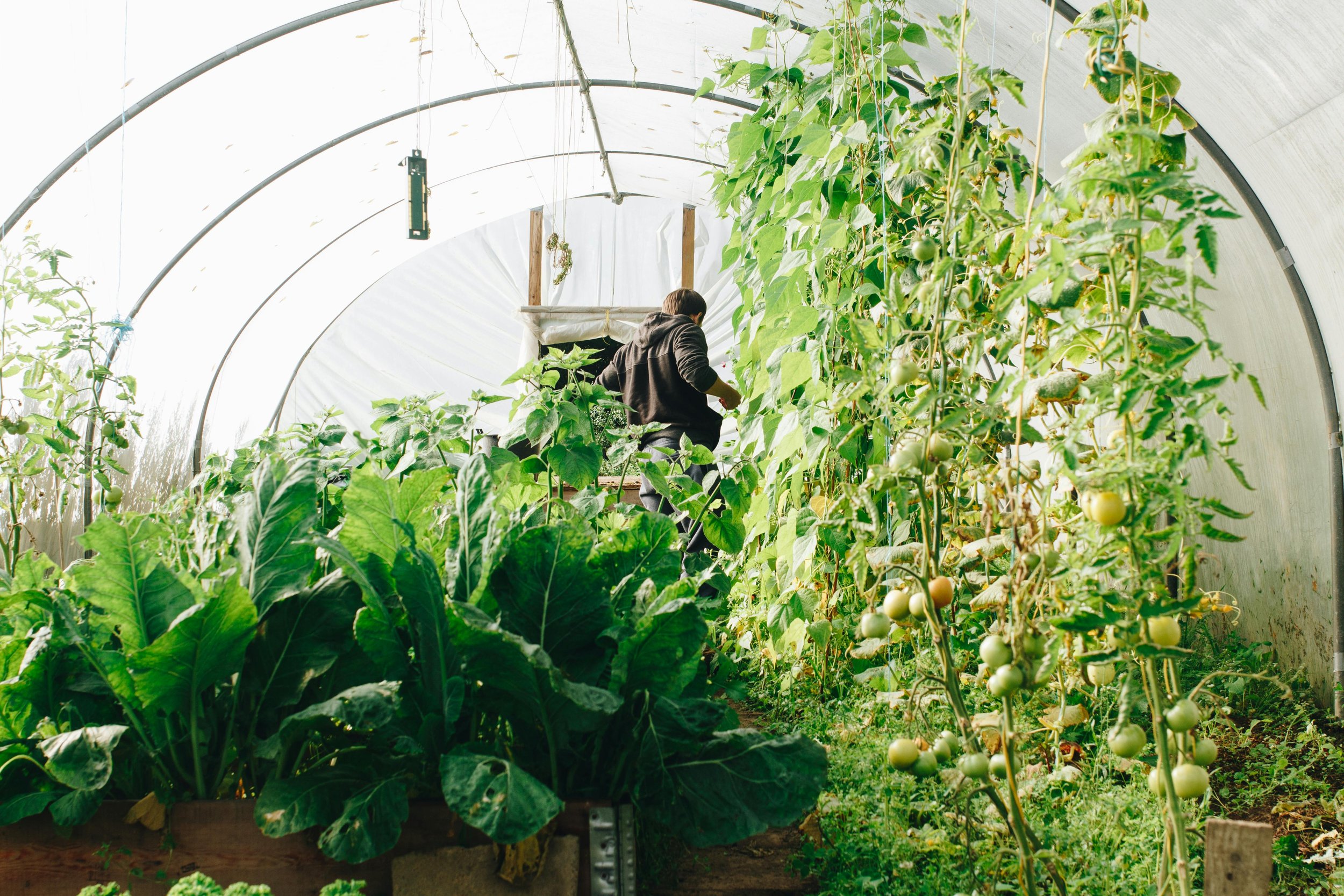
Photo by João Jesus
STEP 10: USE & VALUE DIVERSITY
HOMOGENEITY IS A HAZARD. POLYCULTURES ARE ALGORITHM-PROOF.
The Philosophy: A forest with 100 species is resilient. A field with 1 species (monoculture) can be wiped out by a single pest or a single drought.
The Marketing Shift: If your entire brand relies on one platform (like Instagram or Google Ads), you are at the mercy of their "climate." Diversity in your channels, your creative team, and your audience segments is your insurance policy against change.
The Steward’s Move: Audit your "species mix." Are you over-reliant on one source of traffic? Build a polyculture of channels—email, social, SEO, PR, and community—so that if one "withers," the system stays strong.
STEP 11: USE EDGES & VALUE THE MARGINAL
THE MOST INTERESTING THINGS HAPPEN AT THE "EDGE."
The Philosophy: In ecology, the most productive area isn’t the middle of the field or the deep forest—it’s the "edge" where they meet.
The Marketing Shift: Don't just look at the center of your industry. Look at the fringe. The "marginal" platforms, the niche micro-communities, and the unconventional partnerships are where the most growth happens.
The Steward’s Move: Look for your "Brand Edges." Where does your mission intersect with a completely different industry? That’s where your next breakthrough is hiding.
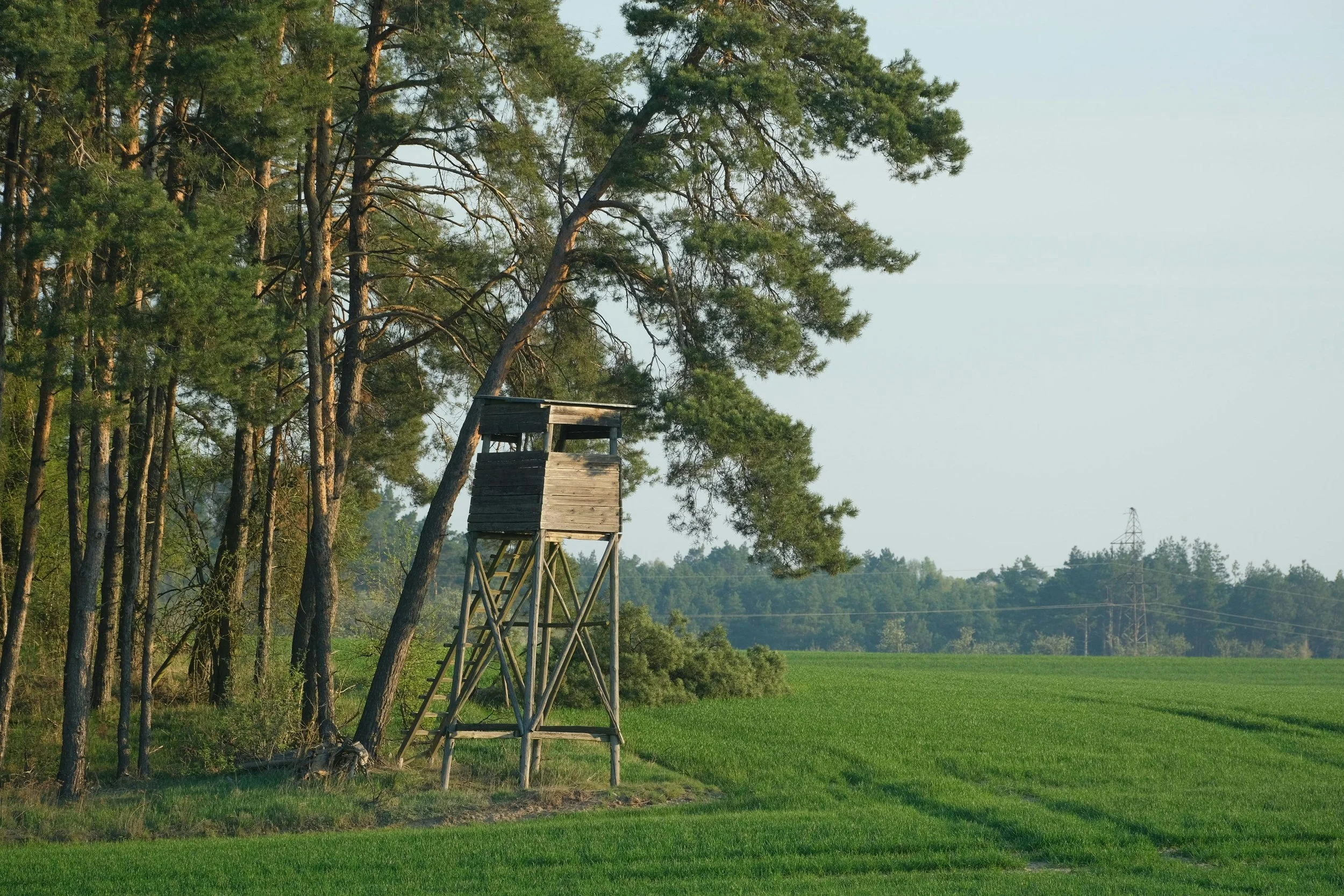
Photo by Roman Biernacki
STEP 12: CREATIVELY USE & RESPOND TO CHANGE
THE ALGORITHM CHANGED? GOOD.
The Philosophy: Vision isn't a fixed point; it’s a response to a changing climate. A forest doesn't fight the storm; it adapts to it.
The Marketing Shift: Most marketers panic when Google or Meta changes the rules. A Regenerative Marketer sees change as compost. It’s just new material to feed the next iteration of the strategy.
The Steward’s Move: Build flexibility into your DNA. Don't fall in love with your tactics; fall in love with your mission. Tactics are seasonal; your purpose is the soil.
Frequently Asked Questions
Q: What is regenerative marketing?
A: Regenerative marketing is a strategic framework that moves beyond "sustainability" to create a net-positive impact on social and ecological systems. Unlike traditional extractive marketing, it focuses on restoring brand vitality, reducing waste, and building resilient ecosystems that thrive over the long term.
Q: How does permaculture relate to marketing strategy?
A: Permaculture applies natural systems science to business. By using principles like "Observe and Interact" or "Produce No Waste," marketing is treated as a living ecosystem. This approach creates self-sustaining roadmaps that capture energy (leads and relationships) and produce a sustainable yield without depleting resources.
Q: What are the 12 principles of regenerative marketing?
A: The 12 principles are: 1. Observe & Interact, 2. Catch & Store Energy, 3. Obtain a Yield, 4. Self-Regulate & Accept Feedback, 5. Value Renewables, 6. Produce No Waste, 7. Design from Patterns to Details, 8. Integrate Rather Than Segregate, 9. Small & Slow Solutions, 10. Use & Value Diversity, 11. Use Edges & Value the Marginal, and 12. Creatively Use & Respond to Change.
Q: Why is traditional marketing often considered extractive?
A: Traditional marketing mirrors industrial agriculture by relying on high-waste tactics, "growth-at-all-costs" mindsets, and short-term hacks. This extractive nature eventually depletes the system, resulting in customer fatigue, brand cynicism, and team burnout.
Q: What is a regenerative marketing ecosystem?
A: A regenerative marketing ecosystem is an integrated network of digital systems and human narratives designed for balance. By aligning inner purpose with outer strategy, it reduces "marketing waste" and turns lead generation into a perennial process that returns value year after year with less effort.