The Silent Guardian
Healthy ecosystems protect people, physical assets, and supply chains from volatility. For a CFO or Founder, investing in restoration and provenance isn't "charity"; it’s "risk mitigation" that ensures the brand’s survival in a changing world.
The Transatlantic Trust Gap: Why European Integrity Often Fails to Resonate in the U.S.
European integrity is the gold standard, but is it getting 'lost in translation' across the Atlantic? I’ve just published a briefing on the Transatlantic Trust Gap and how we can turn 'Quiet Heritage' into 'Active Legacy' for U.S. partners.
The Art of Belonging: Why "Social License" is Your Brand's Permission to Exist
True Social License requires Authorship. This happens when a community feels that the project belongs to them. When a local population has a hand in the design, the language, and the benefits of a mission, they move from being observers to being advocates. If they didn't help build the vision, they won't help defend it when challenges arise.

Beyond the Fence
The "Wilderness Myth" isn't just ecologically inaccurate—it’s a branding disaster. It alienates the very people who live on the land: the farmers, the hunters, and the rural entrepreneurs. To scale nature restoration, we have to stop marketing the "void" and start marketing the New Pioneers.
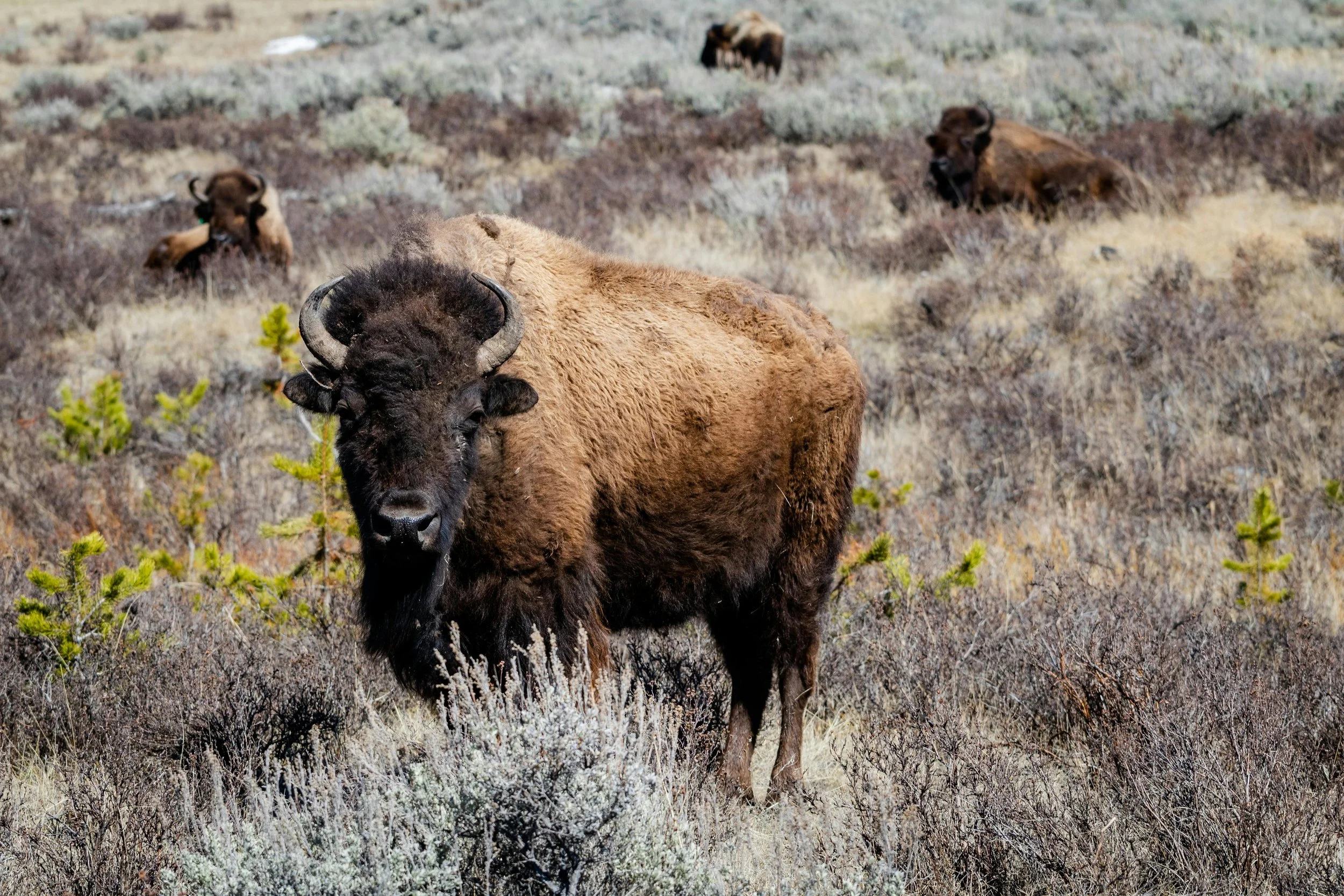
The Comeback King
We have the data to show the impact of our efforts, but we often lack the narrative to make people feel it.
Enter The Comeback.

From Monoculture to Ecosystem: 7 Steps to Cultivating Your In-House Marketing Team
There comes a point when growing companies, brands, & non-profits realize they may need to take the leap forward and build their own internal marketing team to meet their ongoing challenges and achieve their business goals. Making sure they have the proper foundation and essential mix of internal and external capabilities is critical.
I have developed these 7 steps to build a successful marketing department.
The 12 Regenerative Marketing Principles
Stop guessing. Start looking.
The Philosophy: In permaculture, we spend a full year observing a site before we ever dig a hole. We watch the sun, the wind, and the water flow.
Digital Polyculture: Why "Seamless" Shouldn't Mean "Identical"
The people charged with your omni-channel strategy are often treated like industrial farmers—expected to produce the same high yield across every "field" using the exact same tools.

Cultivating the QSR Ecosystem: 6 Pillars of Omni-Channel Resilience
Before you can achieve "Omni-channel Nirvana," you have to stop treating your digital strategy like a factory and start treating it like a forest. In a factory, if one belt breaks, the whole line stops. In a forest, everything is interconnected—if one area faces a drought, the rest of the system reroutes nutrients to compensate.