Cultivating the QSR Ecosystem: 6 Pillars of Omni-Channel Resilience
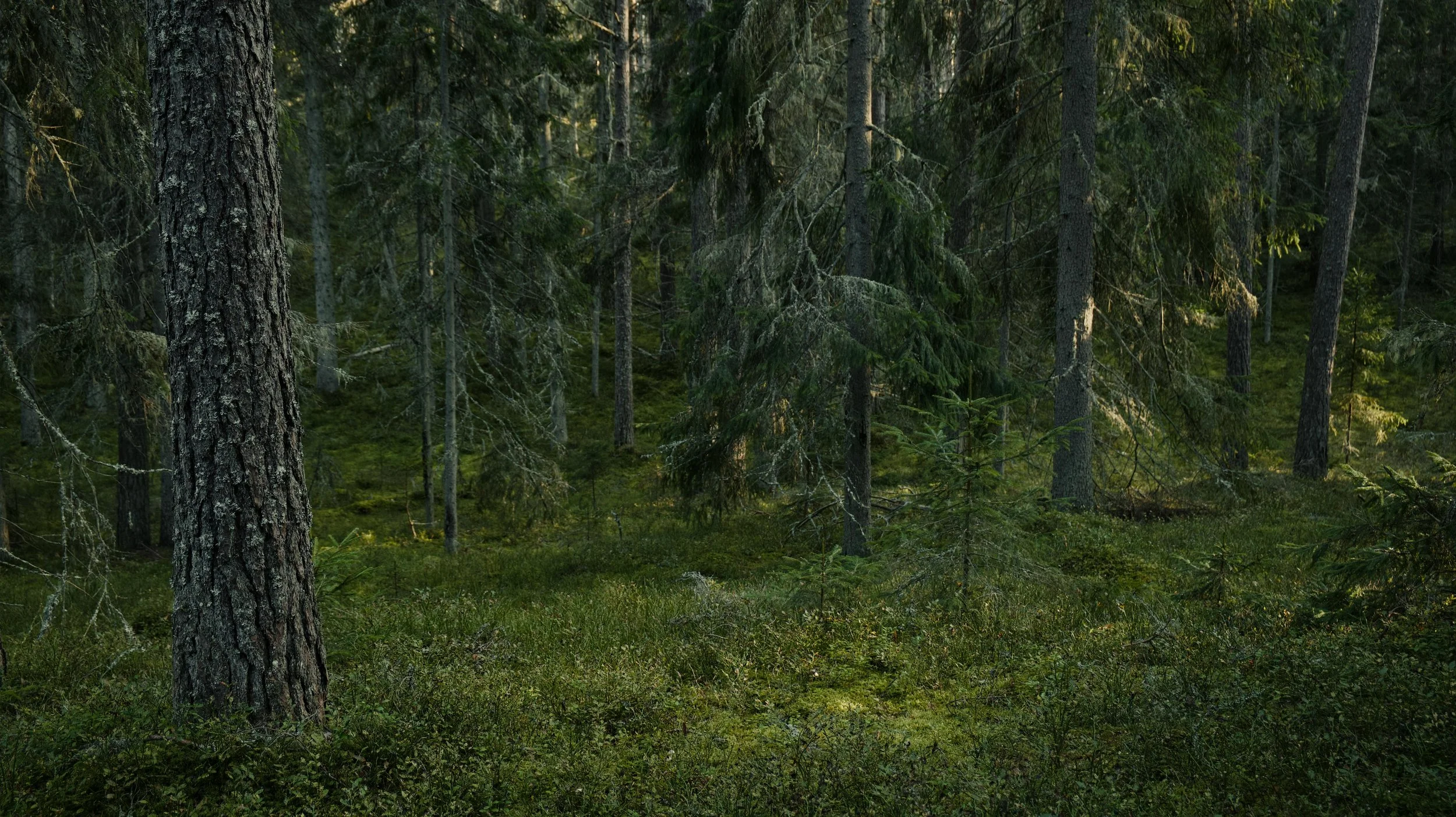
Before you can achieve "Omni-channel Nirvana," you have to stop treating your digital strategy like a factory and start treating it like a forest. In a factory, if one belt breaks, the whole line stops. In a forest, everything is interconnected—if one area faces a drought, the rest of the system reroutes nutrients to compensate.
Here are the 6 essential elements to design a regenerative restaurant ecosystem:
Observe and Interact:
The Real-Time Data Feed
In permaculture, you don't plant until you understand the land. Most brands are "farming" in the dark because their POS data is trapped in legacy silos.
The Philosophy: Data is the feedback loop of your ecosystem.
The Strategy: You need a high-quality, real-time data pipeline. If you don't know what’s selling, when, and to whom, you are throwing seeds on concrete. Spend the energy now to integrate your POS systems across all locations. A smart data feed is the "water" that allows your strategy to stay nimble and responsive to the environment.
2.
Design for Diversity:
Customer "Guilds"
A "Guild" in permaculture is a group of species that support one another. Your customers aren't a monolith; they are different species with unique "need states."
The Philosophy: Appreciate the marginal.
The Strategy: The "Work Lunch Crowd" is a different organism than the "Late Night Snacker." Map your customer journeys by profile, time of day, and region. How does a "Value Seeker" interact with your app versus the drive-thru? Use consumer listening to monitor how these "species" evolve, because habits—like weather—are never static.
3.
Sector Analysis:
Respect the Microclimate
(Store Profiles)
A highway drive-thru is a high-wind, high-exposure environment. An urban walk-up is a sheltered, high-density niche.
The Philosophy: Each element must be placed where it provides the most benefit.
The Strategy: Many brands don't actually know their "soil." You must profile every store based on location, layout, and digital capabilities. Some locations are "Late Night Snacking" hubs; others are "Lunch Destinations." Your digital menu boards should reflect the Microclimate of that specific store, not a generic corporate template.
4.
Integrate Rather than Segregate: Organizational Synergy
The biggest threat to a digital ecosystem is Internal Silos. In many QSRs, the "App Team" doesn't talk to the "Drive-Thru Team." This is a monoculture approach that breeds inefficiency.
The Philosophy: The many functions of a system should work together.
The Strategy: You need a unified Digital Team that sits under a single canopy of leadership. Digital shouldn't be an afterthought "bolted on" to a campaign; it should be the Mycelial Network that connects every part of the organization. Break down the antiquated verticals and build a structure where teams share tools, assets, and timelines.
5.
Self-Regulate:
The Digital Channel Audit
Every element in your garden should pay for itself through its function. If a digital channel is consuming more energy (budget/time) than it yields (sales/engagement), it needs to be pruned or reimagined.
The Philosophy: Small and slow solutions.
The Strategy: Take a hard, honest look at your touchpoints. Compare your UX to the "wild" (the competitive landscape). What do your customers love? What do they hate? If a channel is "wilting," don't just throw more money at it—figure out if it’s the wrong "plant" for that environment.
6.
The Tech Stack:
The Mycelial Infrastructure
In a forest, the mycelium is an underground network that moves nutrients and information between trees. Your MarTech stack is that network.
The Philosophy: Use and value renewable resources and services.
The Strategy: Your channels must be linked. Can you update a menu board, an app, and a kiosk simultaneously? Does your data flow holistically, or is it leaking? Empower your team with a modular, integrated stack that allows for cascading updates. This reduces the "manual labor" of marketing and lets the system handle the heavy lifting.
Simple, right? Transitioning from a "legacy" mindset to a "living system" can feel overwhelming, but that’s where stewardship comes in. You don't have to rebuild the whole forest in a day—you just have to start planting the right seeds.