Beyond the Fence
by Tobi
Why the Future of Rewilding is Human.
There is a persistent myth in conservation: that "wilderness" means the absence of people. For decades, the movement has been haunted by the image of the fence—a boundary that separates the "wild" from the "civilized."
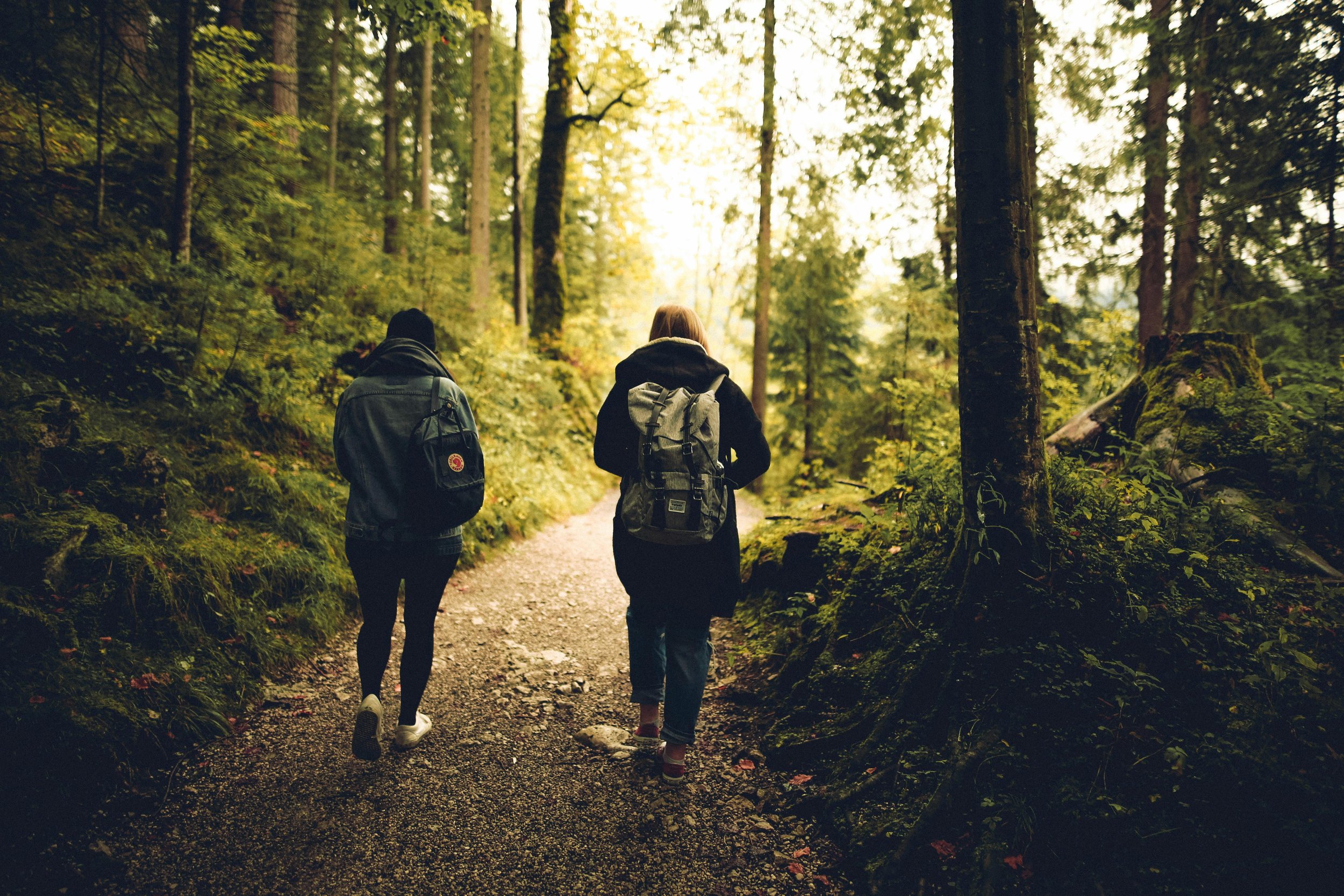
But in today’s world, the most successful rewilding and restoration projects are proving the opposite. Nature doesn’t just survive alongside humans; it thrives because of them. If you aren’t telling the story of people benefiting from nature, you are forgetting one of your biggest assets.
Framing your projects like some mythological sacred wilderness isn't just ecologically inaccurate—it’s a branding disaster. It alienates the very people who live on the land: the farmers, the hunters, and the rural entrepreneurs. To scale nature restoration, we have to stop marketing the "void" and start marketing the New Pioneers.
The Social License: Conservation’s Hardest Currency
Conservation happens in the field, but it succeeds or fails in the local café.
If a rural community feels that rewilding is something being "done to them" by urban elites, there will be strong resistance. Big city mandates don’t play well in rural community. If it sounds like it is coming from “progressives” in San Francisco, New York, Brussels or London, they will resist. And that resistance in western countries translates to blocked permits, negative press, and political stalemates.
The solution is a narrative shift. We must move from Protectionism (keeping people out) to Participation (bringing people in). This brings the locals out to participate in your initiatives and inspires the far-flung funders to offer financial support.
The Insight: Social License isn't a checkbox; it’s a living narrative. You don't "buy" it with a one-time grant; you "earn" it through consistent, empathetic storytelling.
Who is the "New Pioneer"?
The New Pioneer is the face of 21st-century conservation. They aren't just biologists or “crunchy” elites; they are:
The Regenerative Grazier using bison or wild horses to manage land while producing high-end, sustainable products.
The Eco-Tourism Architect building low-impact, high-value hospitality that brings global capital to dying villages.
The Local Mayor who sees rewilding not as a "set-aside," but as a way to reverse rural depopulation.
These are the "New Pioneers." They are the bridge between a wilder future and a thriving local economy.
Positioning the "Human" Wild
When I audit a rewilding brand, I look for three things to ensure they aren't falling into the "Wilderness Myth" trap:
The Messenger Mix: Is 50% of your content featuring local voices? If your only spokespeople are scientists, you have a social license problem waiting to happen.
The "Job" Narrative: Are we quantifying the "Human ROI"? We need to tell stories about the guide, the baker, and the builder whose livelihoods are anchored in the restored landscape.
Cultural Heritage as an Asset: Rewilding isn't about erasing history; it’s about the next chapter. We must weave local folklore, traditional crafts, and heritage breeds into the brand of the "New Wild."
The FAQ Section
Q: Who is the "New Pioneer" in the regenerative economy?
A: The New Pioneer is anyone bridging the gap between heritage and the future—the regenerative farmer, the local artisan, the museum curator, or the community land-steward. They are the human heart of the brand. We focus on centering these voices to ensure that progress feels like a shared evolution rather than an outside imposition.
Q: How does "Social License" apply to cultural non-profits and CPG brands?
A: Social license is essentially "Brand Permission." For a food brand, it’s the deep trust of the farmers in the supply chain. For a cultural institution, it’s the relevance and "authorship" felt by the local community. Without this underlying sense of belonging, even the most innovative project can feel like an alien import.
Q: Can innovation co-exist with deep cultural heritage?
A: Not only can they co-exist, they must. The most resilient brands in 2026 are those that honor "Provenance"—the story of where we come from—while using modern tools to secure where we are going. We help organizations weave their traditional roots into a forward-facing narrative that inspires the next generation of pioneers.