The Comeback King
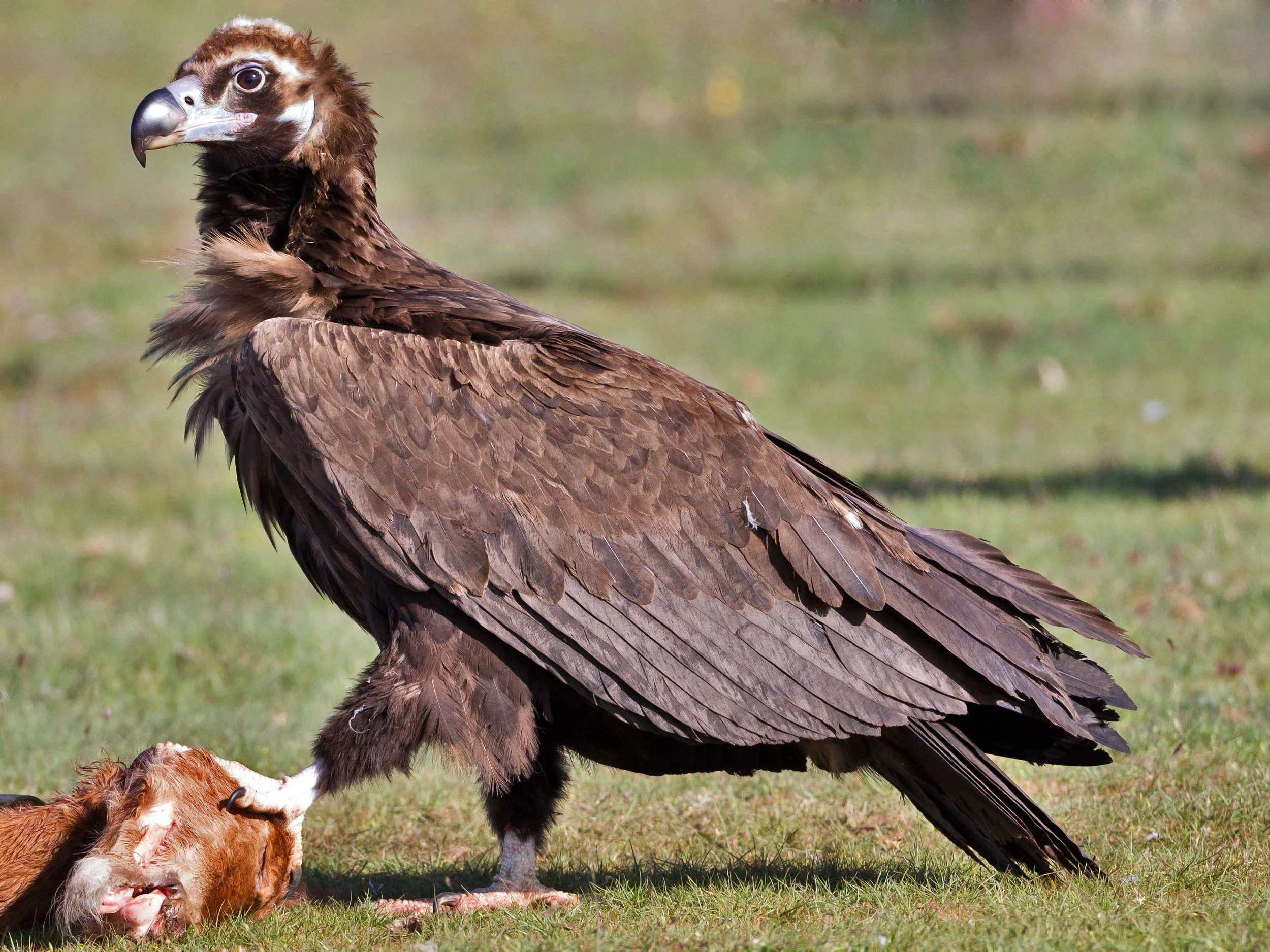
The cinereous vulture (Aegypius monachus), also known as the black vulture, Eurasian black vulture, and monk vulture.
Photo by Juan Lacruz
Why Data Informs, but "The Return" Inspires
Close your eyes and imagine a landscape you love. Now, imagine it silent.
For decades, the story of conservation in Europe and the U.S. was a narrative of subtraction. We talked about what was disappearing: the loss of biodiversity, the thinning of the forests, the silence of the rivers. We became experts at documenting the decline. But in 2026, "disaster fatigue" has fully set in. If we want to secure the future of our planet, we have to move past the autopsy of nature and start celebrating its resurrection.
In my work as a fractional marketing executive for nature-based organizations, I see a recurring gap: The Science-to-Story Gap. We have the data to prove restoration is happening, but we often lack the narrative to make people feel it.
Enter The Comeback.
From Scarcity to Abundance
The most potent brand asset a rewilding project or nature-tech startup possesses isn't a spreadsheet of carbon sequestration rates—it’s the return of a flagship species.
Whether it’s the splash of a beaver in a UK river for the first time in 400 years, bison roaming the plains of Texas, or the shadow of a Cinereous Vulture over the Iberian Highlands, these aren't just biological milestones. They are symbols of possibility.
The Insight: Data informs the mind, but "The Return" captures the heart. In a crowded funding landscape, the heart is where the checkbook lives.
Why "The Comeback" Narrative Works
It Replaces Anxiety with Agency: When people see nature "healing itself," they move from a state of paralyzed eco-anxiety to active participation. They want to be part of a winning team.
It’s Visually Irresistible: You can’t photograph "carbon sequestration," but you can photograph a lynx kitten. As a creative leader, I look for these "Hero Characters" to anchor a brand’s visual identity.
It Builds Long-Term Legacy: Donors and corporate partners in 2026 are looking for more than just ESG compliance; they are looking for a legacy they can point to. A "Comeback" story provides that tangible proof.
The Fractional CMO Takeaway
If your organization is sitting on incredible ecological success but your donor engagement is flat, you likely have a "Comeback" story that hasn't been told yet. You don't need a massive marketing department to tell it; you need a strategic narrative that turns your biological data into a human movement.
We are no longer just "protecting" what’s left. We are inviting the wild back to the table. And that is a story worth telling.
THE FAQ SECTION
Strategic Focus: Hope-based branding and abundance
Q: Why is a "hope-based" narrative more effective than "disaster marketing" in 2026?
A: In a landscape of climate anxiety, disaster narratives trigger "avoidance behavior" in donors and partners. A hope-based narrative—specifically focused on the "Comeback" of a landscape or species—triggers "agency and participation." It moves the audience from being observers of a tragedy to investors in a success story.
Q: What is the role of a flagship species in a conservation brand strategy?
A: A flagship species acts as a "Hero Character" that makes abstract ecological data relatable. While eDNA and biodiversity metrics provide the proof, the return of a species (like the beaver or lynx) provides the emotional hook that builds brand recall and long-term donor loyalty.
Q: How do you balance scientific accuracy with emotional storytelling?
A: By using the "Science-to-Story" bridge. We use rigorous ecological data to ground the narrative, but we lead with the human experience of the return. The science is the foundation; the "Comeback" is the house people actually want to live in.